100 Days of School Pink Coquette Bow
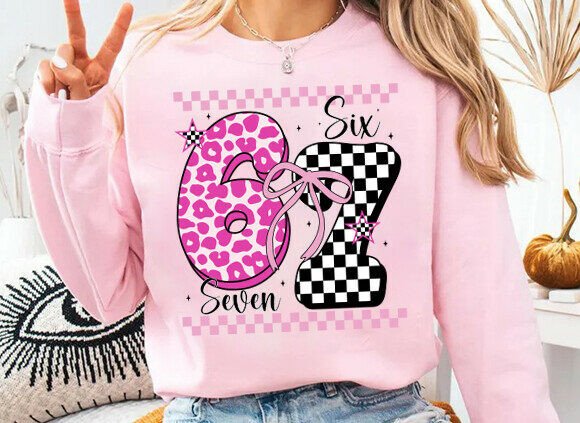
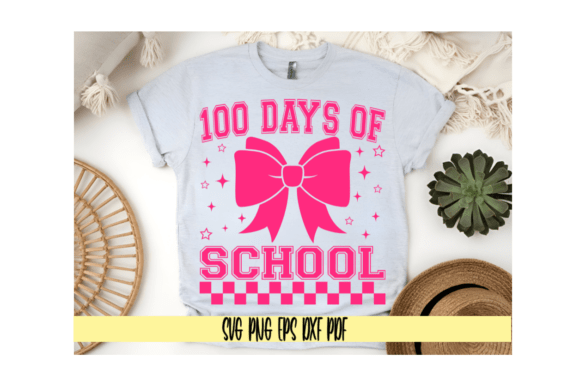
I have seen plenty of school milestone graphics over the years, so when I first opened the 100 Days of School Pink Coquette Bow file, I expected something predictable. That expectation evaporated quickly. The design carries a soft, celebratory mood that blends playful charm with a surprisingly polished aesthetic. The pink bow dominates the composition in the best way possible—it feels intentional, not tacked on. The checkered pattern woven into the background gives it structure and a subtle preppy energy that immediately made me think of boutique-style children's apparel and gift-ready keepsakes.
What struck me most was how the layout balances feminine detail with clean readability. The "100 Days of School" text sits prominently, but the coquette bow softens the overall look, making it feel less like a generic school graphic and more like a carefully styled piece of personal art. For embroidery designers and small shop owners who frequently work on custom children's products, this design solves a real problem: finding school milestone artwork that looks elevated enough to sell as a premium handmade item.
First Impressions and Where This Design Belongs
The mood is undeniably sweet, but not overly juvenile. That matters more than most people realize when you are stitching this onto a product that a parent will photograph and share. The 100 Days of School Pink Coquette Bow graphic lands somewhere between a classroom celebration and a boutique window display. I could immediately picture it on a soft heathered sweatshirt, a canvas tote bag packed with Valentine's Day treats, and even a twill apron for a little one who loves helping in the kitchen. The checkered detail adds a visual anchor that prevents the bow from feeling floaty or disconnected, which is a common issue with bow-centric designs.
When evaluating a machine embroidery design like this for real project use, I always ask myself whether the concept translates across different product types. This one does. It would hold its own on a structured baseball cap just as well as on a slouchy toddler tee. The key is that the central motif—the bow—is recognizable even at a glance, and the accompanying text and pattern elements support rather than distract from it.
How It Performs in Real Embroidery Scenarios
Let me walk you through a specific scenario that came to mind while I was inspecting the artwork. I imagined a customer order for a custom embroidered tote bag celebrating a kindergartener's 100th day of school. The parent wanted something cute but not cartoonish, something that could double as a library bag long after the milestone passed. The 100 Days of School Pink Coquette Bow design immediately felt like the right candidate. The pink bow reads as celebratory, the checkered pattern adds enough texture to keep the embroidery visually interesting, and the overall composition leaves room for personalization if needed—a name, a date, a small monogram tucked beneath the main motif.
In terms of stitch behavior, the design appears to rely on a thoughtful mix of satin stitch for the bow outlines and lettering, with fill stitch handling the checkered background sections. That combination usually produces clean edges and good coverage on mid-weight fabrics like cotton canvas, French terry, and polyester blends. The bow detail, if digitized well, will catch light beautifully because of the directional changes in satin stitching. This is the kind of detail that makes a finished product look expensive, even when the base garment is simple.
For custom apparel projects, I would lean toward placement on the upper left chest for a classic polo or sweatshirt, or full-center on a tote bag or pillow cover. The proportions feel right for a standard 4x4 or 5x7 hoop, though I always recommend checking the actual stitch file dimensions before committing to a specific blank. Designs with this level of detail can sometimes surprise you with their actual footprint once digitized.
Fabric Compatibility and Potential Pitfalls
Now, I need to be realistic about where this design should be used carefully. The checkered pattern involves lines and intersections that could become muddy on textured fabrics like waffle weave, thick terry cloth, or heavily napped fleece. If you are stitching the 100 Days of School Pink Coquette Bow on a plush blanket or a towel, the fine lines of the checkered section might lose definition. A stabilizer choice becomes critical here—I would use a medium-weight cutaway stabilizer on knits and a water-soluble topper on anything with a pile or nap to prevent stitches from sinking.
Dark fabrics present another consideration. The pink bow will pop beautifully against navy, charcoal, or deep green, but the checkered pattern might need a white or light underlay to maintain contrast. If the digitized file does not include adequate underlay, you could end up with the checkered section looking muted or uneven on black garments. This is not a dealbreaker, but it is the kind of thing you test on scrap fabric before running a full production batch.
Stretchy fabrics like ribbed knit or performance blends require extra attention. The satin stitch sections on the bow could pucker if the fabric shifts during stitching. A good fusible stabilizer and proper hooping tension will solve most of that, but I would not recommend this design for ultra-thin rayon jerseys unless you are experienced with lightweight fabric stabilization. The design's density appears moderate, which helps, but the checkered fill areas will still exert some pull on delicate substrates.
Practical Embroidery Designer Notes
Before you list a finished product using this design in your shop, here is what I would do in my own studio. First, test the design on a fabric swatch that matches your intended blank. Pay attention to thread color contrast—the pink in the bow should be distinct from the checkered background, and both should be clearly visible against the garment color. I have seen too many designs where the pink bow and the checkered pink sections blend together because the thread choices were too close in tone. A slightly deeper rose for the bow and a softer blush for the checkered sections can create just enough separation.
Second, review the stitch density. If the checkered fill feels too heavy, you might need to adjust the density in your embroidery software before stitching. Dense fills on lightweight garments can create a stiff patch that irritates the wearer, especially on children's clothing. The 100 Days of School Pink Coquette Bow design should feel soft and wearable, not like a rigid plate sewn onto the fabric.
Third, check the small details in black and white. This is a trick I learned years ago when evaluating embroidery files for commercial use. Convert a mockup to grayscale and see if the design still reads clearly. If the bow silhouette and lettering hold up without color, the design has strong bones. That matters for customers who might view your product photos on a dimmed screen or in less-than-ideal lighting conditions online.
Where This Design Truly Shines
The 100 Days of School Pink Coquette Bow graphic belongs in a specific sweet spot: boutique children's products, personalized gifts for teachers and parents, and small-batch craft fair merchandise. I can see this working beautifully on a linen pillow cover for a classroom reading nook, or as an embroidered patch sewn onto a denim jacket for a first grader. The coquette aesthetic is trendy right now, and the school milestone theme gives it practical relevance that extends beyond just a fashion statement.
For Etsy sellers and craft business owners, this design fills a seasonal niche that recurs every year. Schools everywhere celebrate the 100th day milestone, and parents actively search for unique, handmade products to commemorate it. A well-stitched sweatshirt or tote bag featuring this design could easily become a repeat seller during January and February. The key is presenting it as a finished product that feels personal and thoughtfully made, not just a slapped-on graphic.
From a brand consistency standpoint, the design's polished look helps elevate your shop's overall aesthetic. If you sell primarily children's products or personalized gifts, this design aligns with a cohesive, feminine, and slightly preppy style that attracts buyers who appreciate attention to detail. The checkered pattern alone signals a level of design consideration that generic school graphics often lack.
Licensing Considerations and Commercial Use
One thing I always emphasize to fellow designers and shop owners: confirm your licensing before you sell anything. The product description states the 100 Days of School Pink Coquette Bow is available in formats like svg and pn, which suggests it is intended for a range of applications including print and digital products. However, if you plan to stitch this design onto items for sale, verify that the license permits commercial embroidery use. Some digital design assets are sold for personal use only, and selling finished embroidered products without a commercial license can lead to issues.
If you are creating printable mockups or digital product previews using this graphic, the svg format gives you flexibility to resize and adjust without losing quality. For embroidery specifically, you will need a properly digitized stitch file, not just the vector artwork. Make sure you know which file types you are purchasing and whether conversion to an embroidery format is included or needs to be done separately.
Final Thoughts From the Stitching Table
After spending time evaluating the 100 Days of School Pink Coquette Bow from every angle that matters to a working embroidery designer, I can say this design has genuine practical value. It is not just a pretty graphic; it is a workable motif that translates well to stitched products when handled with care. The bow design is charming without being saccharine, the checkered pattern adds visual weight, and the school milestone theme guarantees seasonal relevance.
I would confidently use this for a range of embroidery projects: a toddler sweatshirt for a 100th day celebration, a canvas tote bag for a teacher appreciation gift, a decorative pillow cover for a child's bedroom, or a set of coordinating kitchen towels for a classroom bake sale. The design's versatility lies in its ability to feel both timely and timeless. A hundred days of school is a fleeting moment, but a well-made embroidered keepsake lasts far longer than the milestone itself.
For craft business owners, this is the kind of design that builds customer trust. When someone receives a product featuring the 100 Days of School Pink Coquette Bow and sees clean stitching, thoughtful placement, and a design that looks even better in thread than it does on screen, they remember that experience. They come back next year. They tell their friends. That is the real value of choosing the right design for your handmade products—it is not just about the single sale, but about the reputation you build stitch by stitch.
Quick Recommendations Before You Stitch
- Test on scrap fabric first, especially if you are working with dark or textured blanks.
- Check thread color contrast between the bow, checkered sections, and garment base.
- Review stitch density and adjust if the fill feels too heavy for lightweight fabrics.
- Confirm hoop size compatibility with the actual stitch file dimensions.
- Use appropriate stabilizer based on fabric type—cutaway for knits, water-soluble topper for napped fabrics.
- Inspect small details like the bow loops and checkered intersections after the first test stitch.
- Verify commercial licensing if you plan to sell finished products featuring this design.
- Consider how the design presents in mockup photos—light backgrounds versus dark backgrounds can dramatically change the perceived contrast.
The 100 Days of School Pink Coquette Bow is a design that rewards careful preparation. When you take the time to test, adjust, and select the right materials, the finished product carries a handmade quality that feels intentional and premium. That is exactly what customers notice and exactly what keeps them coming back to your shop.