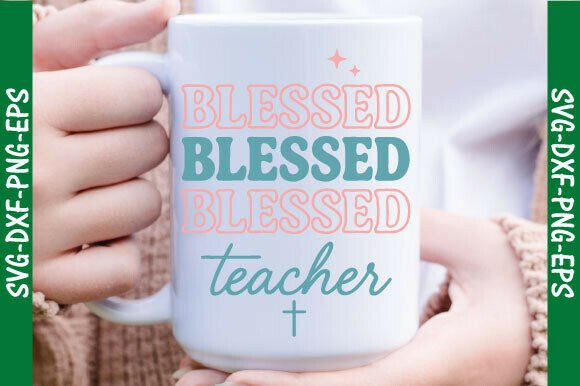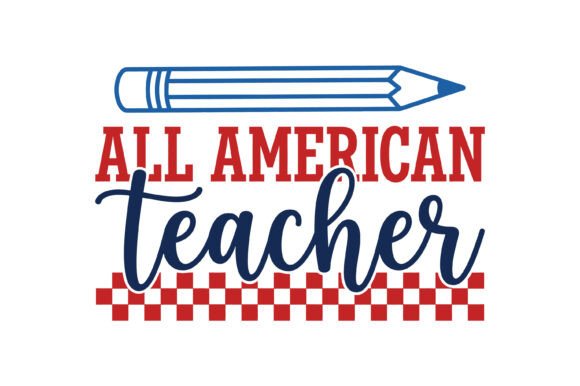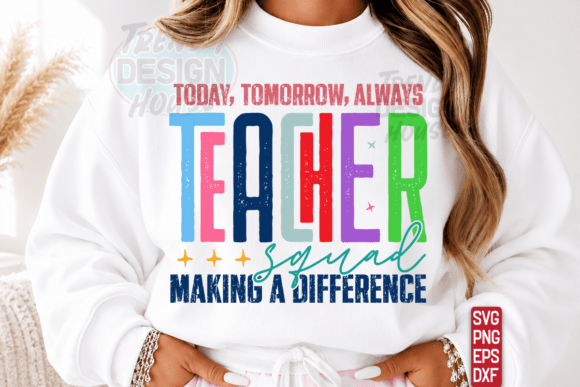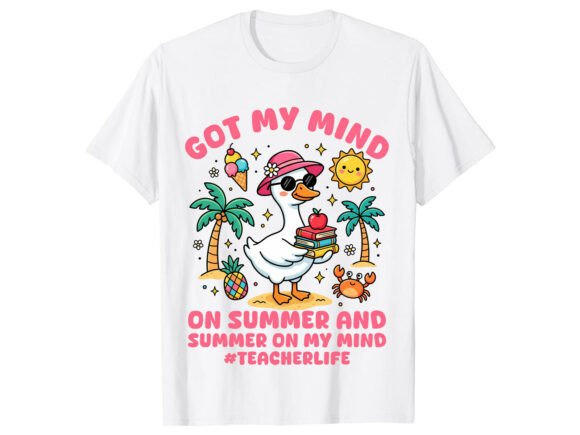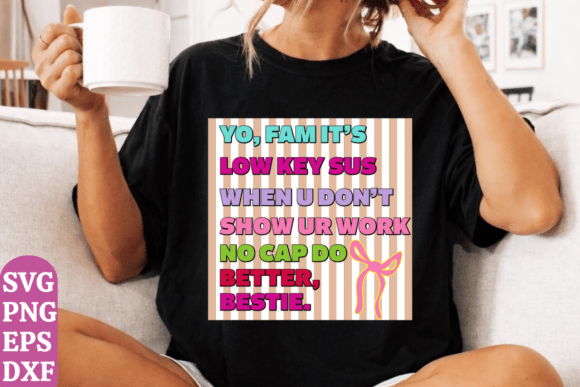
A Funny Teacher Embroidery Design Fit for Real Projects
As someone who stitches designs for clients and my own small shop, my first question with any new file is always: "Will this actually work?" Today, I’m looking at the Funny Teacher T-Shirt, School Humor design with that exact lens. This isn’t just about the included files; it’s about imagining it stitched onto fabric, held in someone’s hands, and ultimately, whether it earns a smile or a sale.
The Immediate Mood and Project Fit
The first impression of this design is pure, lighthearted fun. It doesn’t shout; it chuckles. This kind of school humor has a specific audience—teachers, those who appreciate them, and anyone who enjoys a clever, classroom-themed wink. Visually, the layout promises good stitch clarity. The elements are spaced with room for embroidery to breathe, avoiding overly dense areas that can become stiff and bulky on fabric. The personality is friendly and approachable, which makes it a natural fit for personalized gifts, casual custom apparel, and small shop merchandise aimed at a niche community.
In my mind, I immediately picture it on a soft cotton tote bag for a teacher’s carry-all, or as a centerpiece on a cozy sweatshirt. It feels right for a baby item like a bib or romper if the teacher is a new parent—a sweet, subtle nod to their profession. As an embroidered patch, it could easily be applied to a cap or a apron, turning everyday items into conversation starters. The design’s theme naturally aligns with holiday gifts, end-of-year presents, or even boutique products for a school-themed store.
Performance in Real-Life Embroidery Situations
Moving from imagination to the machine, let’s talk real performance. The included file formats—SVG, PNG, EPS, DXF—are the expected foundation for digital work, but their true test is on the hoop. For a design like this, the success hinges on translating its visual humor into clean stitches.
On stable fabrics like canvas for a tote bag or mid-weight cotton for a t-shirt, this design should perform beautifully. The potential for crisp satin stitches on outlines and clean fill stitches in any filled areas is high. For a pillow cover or tea towel, it would become a charming, functional detail. In a more commercial embroidery project, like a batch of baby clothes for a small line, the repeatable, straightforward elements are a plus.
However, the visual appeal and stitching clarity depend entirely on execution. Always test the design on scrap fabric first. This is non-negotiable. You need to see how small details, like any tiny lettering or decorative accents, translate into thread. Check thread color contrast against your final fabric—a design that’s funny on a screen can lose its punch if the colors blend into the background. Review stitch density in your software; overly dense areas can pucker thin fabrics. The use of proper stabilizer is key to maintaining that friendly, crisp look, especially on stretchy fabrics like sweatshirt material.
Where to Use This Design Carefully
My practical side says: this design isn’t universally suited for every surface. On small hoop sizes, some details might need simplification to remain clear. Textured fabrics like certain linens or dark fabric with light thread require extra attention to stitch density and stabilizer choice to prevent show-through or distortion.
Curved surfaces like caps present a challenge for any design with wide elements; you must consider how the layout will conform to the curve. If the design has intricate corners, they can be tricky on thin fabric without sufficient stabilization. For products destined for frequent washing, like a kitchen towel or child’s garment, consider reinforcing any delicate sections. The goal is to ensure the humor lasts as long as the stitches do.
Visual Appeal and Customer Trust
When a design like Funny Teacher T-Shirt, School Humor is stitched well, it directly boosts product value. It feels intentional and well-made, which builds customer trust and buyer engagement. For an Etsy seller or craft fair vendor, this kind of niche, well-executed humor can define a brand. It speaks to a specific crowd, enhancing brand consistency for a shop focused on educator or school-themed gifts.
The handmade presentation becomes more professional when the stitches are clean and the concept is clear. This design isn’t overly complex, which means it’s reliably reproducible—a crucial factor for small business owners. Its giftability is high; it’s recognizable and personal without being overly sentimental. For digital product sellers, using it in printable mockups on various products (totes, shirts, aprons) can effectively showcase its versatility to potential buyers.
Practical Notes for the Embroidery Designer
Before you run this file, here’s my checklist from the worktable. First, confirm hoop size compatibility in your machine software. Inspect small details by running a test at your intended size. I always test it in black and white mockups as well; this helps visualize it on both light and dark fabric backgrounds and ensures the design holds its shape without color dependency.
Compare light and dark fabric backgrounds virtually to plan your thread palette. Remember, the included PNG with transparent background is excellent for mockups, but the embroidery file’s performance is separate. Crucially, check whether the design works for both personal and commercial projects by verifying the license terms for the specific files you purchased. Never assume; always confirm licensing before selling finished items or using it as a commercial embroidery asset. This protects your craft business.
Finally, think about the end product’s life. Will this embroidered patch on a baby embroidery item withstand gentle washes? Will the sweatshirt embroidery stay smooth after wear? Your proactive testing answers these questions and turns a good digital embroidery file into an excellent finished product. The Funny Teacher T-Shirt, School Humor design has the foundational qualities to be that excellent product—it’s approachable, niche-friendly, and structured for clarity. Your job as the maker is to match those qualities with meticulous stitching technique.
In the end, a design like this succeeds when the person who receives it—the teacher, the friend, the customer—gets the joke not just from the image, but from the quality of the craft. That’s where the real humor and value intertwine.