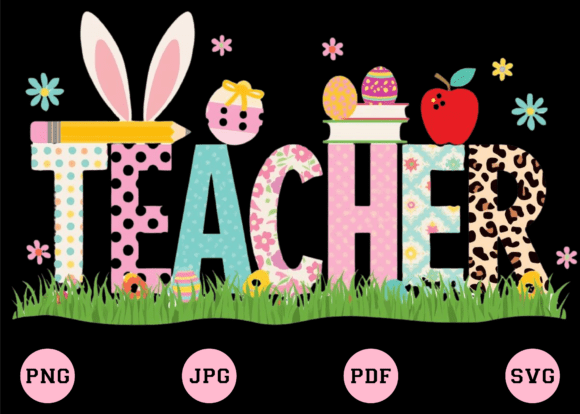
Teacher Easter Png, Bunny Teacher Png: Embroidery Review
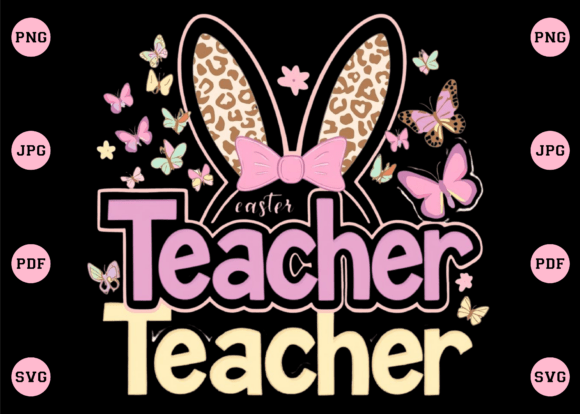
When I first opened the Teacher Easter Png, Bunny Teacher Png file set, I was looking for a design that could carry a warm, appreciative mood without becoming too fussy in the embroidery hoop. From the moment I saw the high‑resolution PNG and the clean SVG, I started mentally stitching it out: a soft pastel bunny, glasses slightly askew, holding a little chalkboard surrounded by Easter eggs and carrot motifs. It felt like a spring classroom celebration, and I immediately pictured it on a canvas tote bag for a teacher appreciation gift. This review comes directly from my worktable—not a list of features, but a real designer’s judgment on how this graphic performs when you turn it into a stitched product.
First Look: A Cheerful Teacher Easter Graphic
The design’s personality is what strikes you first. The bunny teacher isn’t overly cute or cartoonish; it has a gentle, approachable presence that works for both children’s gifts and adult apparel. The glasses add a scholarly touch, the chalkboard screams “teacher,” and the Easter eggs tie everything into a seasonal moment without making the design feel limited to a single Sunday. The layout is balanced—the central figure holds the eye, while the small decorative elements stay in the corners where they add charm without cluttering the main subject. For an embroidery digitizer, this balance matters. A design that’s too busy becomes a bird’s nest of thread; a design that’s too sparse can feel unfinished. This one lands in the sweet spot.
The files you receive are a zip containing JPG, PNG, PDF, and SVG, all at a generous 4500×5400 pixels and 300 dpi. The SVG is the real workhorse for embroidery work. It lets you pull apart elements, create clean outlines for appliqué, or import paths directly into digitizing software. The PNG is ready for print‑on‑demand mockups, but if you’re stitching, that SVG is your best friend. While the product category is listed as T‑Shirt Designs and Graphics, don’t let that box you in. I’ve used similar graphic files to build everything from embroidered patches to personalized pillow covers, and the resolution here is more than enough to maintain clarity when you scale it down for a 4×4 or 5×7 hoop.
Digitizing Considerations and Thread Choices
Because this is a graphic design and not a pre‑digitized embroidery file, you’ll need to do the conversion yourself or work with a digitizer. The good news is that the shapes are friendly to embroidery. The bunny’s ears, the chalkboard, and the eggs all have smooth curves that translate well into satin stitches and light fill stitches. I’d personally use a combination of satin stitch for the outlines and key details—like the glasses and the chalkboard frame—and a medium‑density fill stitch for the larger colorful areas. The color palette is naturally soft: pastel pinks, sky blues, buttery yellows, and a touch of bright green from the carrot tops. When choosing thread, I’d match those tones as closely as possible, but I’d also add a very subtle darker outline thread around the bunny’s body so it reads clearly on light fabrics. On white or cream cotton, the default pastels can blend in, so a light gray or taupe outline can make the design pop without losing the softness.
One thing I always do before committing to a final stitch is run a black‑and‑white mockup. The Teacher Easter Png, Bunny Teacher Png design holds up surprisingly well in grayscale—the shapes remain distinct, which tells me the contrast is inherently strong. That’s a sign of a well‑composed graphic. If you’re planning to stitch on a dark fabric, like a navy sweatshirt, you’ll need to adjust. The pastel colors might wash out, so consider inverting the design or using a white underlay or a bright appliqué backing. A quick test on scrap fabric with your chosen thread colors will save you from a disappointing finished product.
Best Products for This Design
I can see this design shining on a range of handmade items. A tote bag is my top choice—specifically a natural canvas tote with a flat weave. The design’s scale works well as a centerpiece, and the fabric gives a lovely textured background without interfering with the stitches. I’ve also used similar teacher‑themed graphics on sweatshirt left‑chest embroidery, and this one would fit nicely into a 4×4 hoop if you simplify the surrounding elements slightly. For a more boutique feel, a zippered pouch or a kitchen towel with a neat hem would be a great gift. If you’re making patches, the SVG outline can be converted into a running stitch edge, and the compact composition makes it a natural patch shape. Even a baby bib or a nursery pillow cover would work, provided you reduce the design to just the bunny face and chalkboard, keeping the stitch count low for soft, flexible fabrics.
For Etsy sellers and small shop owners, the graphic itself is a valuable design asset for printable mockups. You can use the high‑resolution PNG to create listing photos before you even stitch the final product. That way, you can gauge customer interest and list the embroidered item as a made‑to‑order piece. The file’s versatility means you can offer the same design on a variety of blank products, from t‑shirts to mugs, then add the embroidered version as a premium option. The theme is specific enough to feel special for teacher appreciation season, but broad enough to sell as a springtime Easter gift for any educator.
Where to Be Cautious
No design is perfect for every surface, and this one has a few practical limits. The pastel palette is inherently light, so on dark fabrics you’ll need to plan for contrast. I’d avoid using it on heavily textured fabrics like terry cloth or fleece without a water‑soluble topper, because the fine details—especially the glasses and the chalkboard lettering—could get lost in the nap. If you’re stitching on a stretchy knit like a t‑shirt, use a good cutaway stabilizer and consider a light underlay to prevent distortion. The design’s overall size is generous in pixels, but when you shrink it for a small hoop (below 4×4 inches), the smaller decorative elements might become too dense. In that case, I’d strip away the background eggs and carrots, keeping only the bunny and chalkboard. The bundled SVG makes this kind of editing straightforward.
Another point: the design is not an embroidery file, so you’re responsible for the digitizing. If you’re new to that, invest in a quality digitizing service that can work from the SVG. The vector paths are clean, so a skilled digitizer can produce a file that runs smoothly without excessive trims or jump stitches. Always test the digitized version on a scrap of the actual fabric you’ll use, and check the stitch density. A design that looks light and airy on screen can turn dense and stiff if the digitizer isn’t careful. This is especially important for items that will be washed frequently, like a teacher’s everyday tote bag.
Practical Digitizing and Production Notes
I have a mental checklist when I work with a new graphic like this one, and I’d recommend any embroiderer do the same. First, test the design on scrap fabric—preferably the same type and color you’ll use for the final piece. Second, check thread color contrast by holding the thread spools against the fabric under natural light; the pastel shades can look very different in artificial light. Third, review stitch density in the digitized file. A good rule of thumb is that areas larger than a quarter inch should be fill stitch, not satin, to avoid long, snag‑prone threads. Fourth, confirm hoop size. The design’s pixel dimensions allow for a generous print size, but for embroidery, you’ll typically scale it to fit a 5×7 or 6×10 hoop if you want all the details. For a 4×4, you’ll need to simplify. Fifth, inspect small details like the chalkboard lettering. If it’s too tiny, it might turn into a blob; I’d enlarge the text slightly or replace it with a simple “#1 Teacher” in a clean embroidery font. Sixth, use proper stabilizer—cutaway for garments, tear‑away for flat items like towels, and a water‑soluble topper for plush fabrics. Seventh, check whether the design works for both personal and commercial projects. The product description states you can use it on POD sites, which suggests commercial use is allowed, but always confirm licensing before selling finished items based on a derivative embroidery work. The SVG and PNG are your starting point, but the stitched product is a new creation; make sure you have the right to sell it.
How This Design Elevates Your Product
What makes Teacher Easter Png, Bunny Teacher Png stand out is its instant giftability. The moment a customer sees this on a tote bag or a sweatshirt, they know it’s meant for a teacher. It’s personal, thoughtful, and tied to a specific time of year, which creates a sense of urgency and exclusivity. For a craft business, that means you can price it as a personalized gift and see strong engagement around Easter and teacher appreciation week. I’ve noticed that designs with a clear emotional hook—like a bunny that looks like a beloved teacher—tend to get more buyer trust and repeat customers. The design’s soft, hand‑drawn feel also translates well to the texture of embroidery, giving the finished product a handcrafted look that mass‑produced prints can’t match.
When I use this kind of graphic in my own shop, I always photograph the embroidered piece on a simple, neutral background. The pastel colors pop against a cream or light gray fabric, and the stitch texture adds depth. I’ve also found that offering it as a made‑to‑order item with a few personalization options—like adding the teacher’s name on the chalkboard—can increase the perceived value. The SVG file makes it easy to edit the text before digitizing, so you can create custom variations without starting from scratch.
Final Thoughts Before the First Stitch
After working with the files and imagining this design in thread, I’d say the Teacher Easter Png, Bunny Teacher Png is a solid choice for embroidery makers who want a cheerful, seasonal teacher design that doesn’t lean too heavily on any single trend. The SVG is a huge asset, the composition is digitizer‑friendly, and the theme fills a real gap in the market for teacher‑specific Easter gifts. It’s not a plug‑and‑play embroidery file; you have to put in the digitizing work. But the graphic’s quality makes that work worthwhile. I’d use it for a canvas tote, a soft sweatshirt, or a set of kitchen towels, and I’d feel confident handing the finished product to a customer. Just remember to test thoroughly, keep your stitch density light, and let the bunny’s gentle personality shine through. That’s what turns a nice design into a product people actually want to buy and gift.