Teacher PNG Design: A Versatile Asset for Crafters and Brands
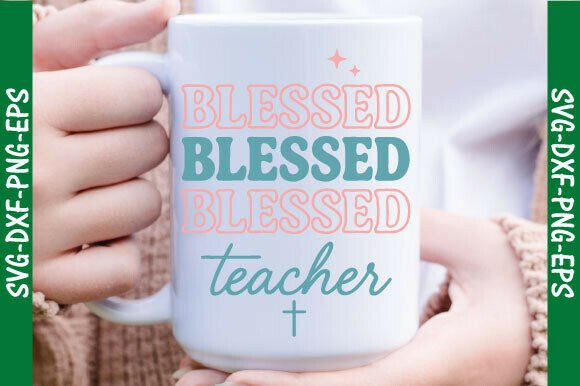
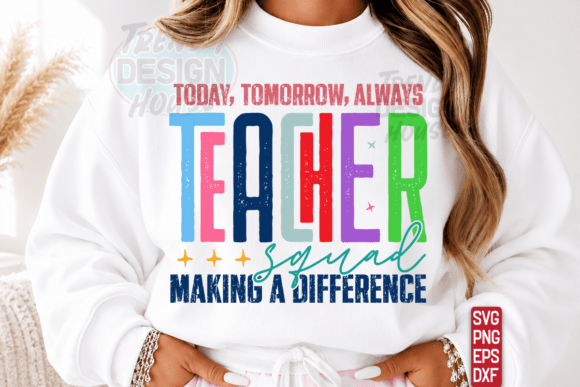
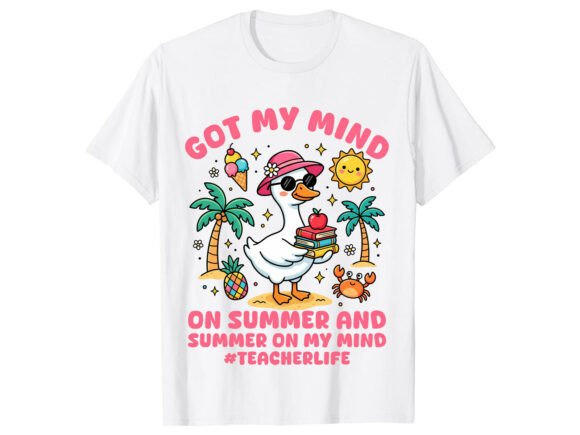
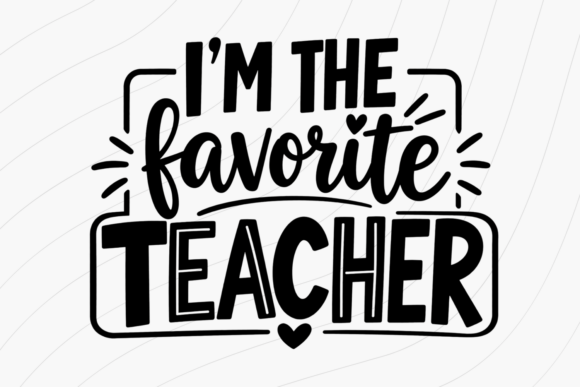
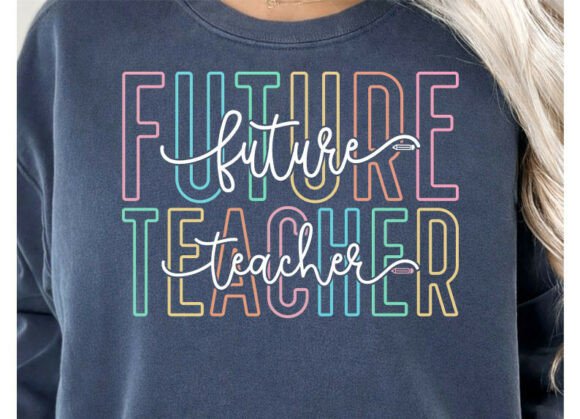
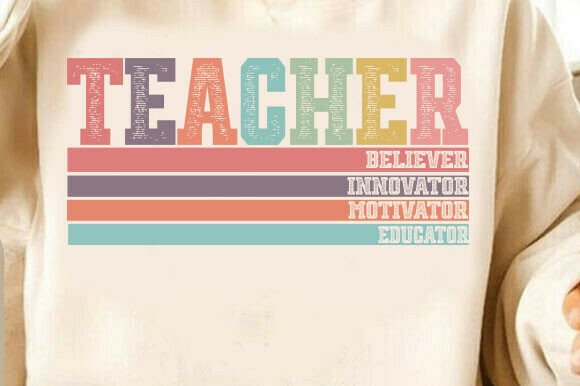
When a design file lands on my desktop, my first question isn't about its specs. It’s about its spirit. What mood does it carry? What story can it tell once it’s translated from pixels into stitches? Looking at this Teacher PNG Design, the impression is immediate: it’s warm, appreciative, and built on clear, graphic shapes. It feels like a classic thank-you card, but in a form ready for fabric. The layout is straightforward, with a level of detail that suggests it would stitch out cleanly without becoming a dense, thread-heavy block. This isn’t a overly complex illustration; it’s a graphic with a friendly personality, which makes it a natural fit for projects meant to convey gratitude and recognition.
The Perfect Project Match: Where This Design Thrives
I picture this design already stitched onto a soft cotton tote bag, destined for a teacher’s end-of-year gift. The clean lines and thematic focus mean it shines on custom apparel like sweatshirts or aprons—items that serve as a wearable thank you. For small business owners or Etsy sellers, it’s a ready-made asset for a whole line of personalized gifts: embroidered pillow covers for a teacher’s lounge, tea towels for a home kitchen, or a sweet, simple patch on a baby’s blanket for a nursery teacher. Because of its universal theme, it slots easily into holiday embroidery projects—think Teacher’s Day or back-to-school seasons—and can be a staple for craft fair products or boutique branding for shops focusing on educational themes.
The included file types—SVG, PNG, and EPS—are a practical boon. The high-resolution PNG with a transparent background is excellent for creating printable mockups to list your finished product online, while the vector formats give flexibility for scaling. This is crucial for digital product sellers offering the design itself, and for apparel decorators needing to adjust size for different garments without quality loss.
Navigating the Stitching: Practical Considerations for Real Use
In a real-life embroidery project, the devil is in the details. This design’s strength is its likely moderate stitch density. Areas that look like solid shapes would typically be converted to fill stitch, while outlines would become satin stitch or a running stitch. On a textured fabric like a knitted sweatshirt, you’ll need a good stabilizer to keep those clean edges crisp. On thin or stretchy fabric, like a baby tee, testing on scrap material first is non-negotiable to prevent puckering.
For embroidered patches or applications on curved surfaces like caps, the design’s simplicity is an advantage. There are likely no extremely tiny details or minuscule lettering that would get lost or become fuzzy when stitched small. However, if you plan to use it in a very small hoop size, you must inspect the file closely. Does the smallest element—perhaps a dot or a thin line—translate into at least two or three stitches? If not, it might blur. Always run a test.
Dark fabric presents a classic challenge. The design’s mood is light and appreciative, so on a black or navy garment, your thread colors need to be chosen for high contrast—bright whites, clear yellows, warm reds—to maintain that friendly visual appeal. A quick black-and-white mockup can help you judge contrast before you commit thread.
When to Proceed with Caution: Design Limits and Preparation
Every design has its ideal applications and its less-perfect fits. For this Teacher PNG Design, I’d be cautious about using it on fabrics with a lot of inherent texture, like a loose-weave linen tea towel, unless you’re aiming for a rustic, handmade look where some stitch imperfection is part of the charm. Similarly, on layered garments with seams or on areas that need frequent washing, like a kitchen apron, you must consider stitch durability. A denser stitch area might hold up better to abrasion than a thin outline.
The commercial use of this design is a key point for creative entrepreneurs. The file package is described as a digital file for cutting, which suggests it’s intended for use. However, the article of faith—and legal necessity—for any craft business is to confirm licensing before selling finished items. Does the license permit you to create and sell physical products, like embroidered tote bags or baby embroidery on onesies, from this file? Does it allow use in commercial embroidery for client projects? Never assume. Check. This step protects your customer trust and your business’s professionalism.
The Designer’s Notes: A Checklist Before You Hoop
Before I'd run this design for a client or for my own small shop product, my internal checklist kicks in. It’s born from years of turning digital designs into tangible finished products.
- Test on Scrap Fabric: Use the same material and stabilizer as your final project. This reveals everything about tension and density.
- Check Color Contrast: Visualize the design on both light and dark backgrounds. Does the intended emotional warmth translate on both?
- Review File in Your Software: Open the SVG or EPS. Look at the paths. Are they clean, with no stray points or open contours that might confuse your embroidery machine’s conversion tools?
- Confirm Hoop Size Compatibility: Measure the design size against the smallest hoop you might use. Will it fit, and will the details remain clear?
- Inspect Small Details: Zoom in. Any element smaller than a few millimeters might need simplifying for stitching.
- Consider Personal vs. Commercial: Be clear on your use case. Is this for a one-off personalized gift, or for inventory in your Etsy listings? Your license needs to match.
Beyond the Stitches: How This Design Adds Value
A good embroidery file isn’t just about technical execution; it’s about the final product’s impact. This Teacher PNG Design, when stitched well on a thoughtful item, elevates the handmade presentation. It turns a simple sweatshirt into a meaningful token. For a business, using a clean, recognizable design like this enhances brand consistency if you’re in the education or gift niche. It speaks directly to an audience, increasing buyer engagement because the theme is so universally understood.
The giftability is high. A custom-embroidered pillow or blanket featuring this design feels more personal than a store-bought card. It shows effort and care. For the maker, that translates into product value—not just in price, but in perceived worth. Customers see a professional, thoughtful handmade product, which builds repeat business and reputation.
In the end, this Teacher PNG Design stands as a solid, versatile graphics asset within the T-Shirt Designs category and beyond. Its practical shape and thematic clarity make it a reliable choice for embroidery designers looking to create projects that resonate with heart and professionalism. By approaching it with a mindful, tested process, you can transform this digital file into a stitched piece that truly honors its subject—and satisfies your creative or commercial vision.