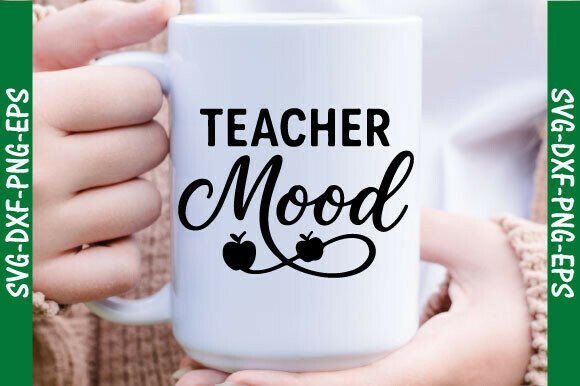
A Designer’s Real-World Take on Teacher Mood PNG
Before I load a new embroidery file into my machine, I always ask myself the same question: will this design hold up in a real project? Today, I’m putting Teacher Mood PNG under that practical lens. It’s not about whether it’s a cute graphic—it’s about whether it translates into a quality, marketable embroidered product.
The First Impression: Friendly, But Needs Context
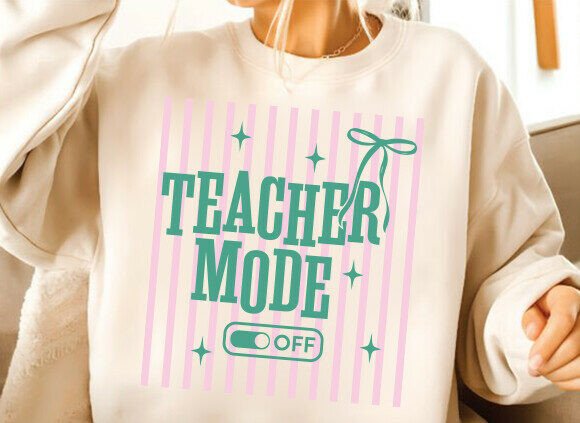
Opening the file, the design immediately feels playful and approachable. As a T-Shirt Designs graphic, the theme is clear, and the layout is straightforward. The personality leans toward casual and heartfelt, which is a good starting point. However, for an embroidery designer, the initial impression is just the first step. The real judgment comes from imagining it stitched onto fabric. The detail level here suggests it would work best as a moderately sized motif, not a tiny, intricate logo. That tells me a lot about its natural home.
Where Teacher Mood PNG Finds Its Best Home
In my work, I’m constantly matching designs to products. For this one, I’m picturing it on a cozy sweatshirt for a teacher’s gift, or centered on a canvas tote bag for a craft fair. It has that personal, appreciative vibe that shines on custom apparel meant as a personalized gift. I’d also consider it for a simple embroidered patch or a kitchen towel in a boutique—products where the sentiment is the main sell. It feels less suited for very formal merchandise or high-density, large-scale commercial embroidery projects where a more neutral brand asset might be needed.
Performance on Actual Fabrics: A Few Considerations
Let’s walk through a real scenario. Say I’m preparing a custom embroidered sweatshirt for a client who wants a gift for their child’s teacher. I’d choose a mid-weight cotton blend. With Teacher Mood PNG, I’d be thinking about stitch clarity. The design’s elements likely rely on clean outlines and fills. On textured fabrics, small details could get lost, so a good, firm stabilizer is non-negotiable. On thin or stretchy fabric, like a basic t-shirt, the stitch density of the filled areas could cause puckering if not managed properly—always test on scrap first.
For dark fabric backgrounds, the provided PNG 300 Dpi file with a transparent background is great for digital previews, but in embroidery, it means I need to plan my thread colors for high contrast. That’s a crucial step: checking how the design reads in a black-and-white mockup to ensure the shapes remain distinct even if I change the color palette.
Spots Where Extra Care is Needed
I’d be cautious about using this design in very small hoop sizes. Tiny lettering or intricate corners can turn into a blur of stitches. Similarly, on curved surfaces like caps, the layout might need resizing or repositioning to sit correctly. For products that need frequent washing—like baby clothes or aprons—the integrity of the stitches matters. A well-digitized file is key, but since exact details aren’t provided here, testing on a similar fabric is my best advice.
The Impact on Your Product and Your Customer
When a design stitches out cleanly, it directly boosts the perceived value of your handmade product. For the small business owner or Etsy seller, using a graphic like Teacher Mood PNG on a well-made item increases customer trust. It looks professional. That professionalism translates into better brand consistency if you’re building a line of teacher-themed gifts, and it enhances the giftability of the item. Recognition is instant—the theme is clear—which helps with buyer engagement in online listings or at a craft fair.
For digital product sellers, the multi-format bundle (SVG, DXF, EPS, PNG) mentioned is a practical asset. It allows for printable mockups and flexibility, but my reminder is always: confirm the licensing before selling finished items or using it as a commercial design asset. The description notes “WHAT CAN I DO WITH T,” which signals you should seek clear terms.
A Few Practical Notes From the Hoop
My routine for any new embroidery file includes a scrap fabric test. For this design, I’d check the scale on my intended product—maybe a pillow cover or tea towel—to see if small elements like decorative accents remain crisp. I’d compare how it looks on light and dark background mockups. And I’d always, always review the actual stitch output for density and any potential thread breaks in complex areas before running it on a final, paid client project or small shop product.
The Final Take: A Solid Choice for Sentimental Projects
Teacher Mood PNG, from a designer’s point of view, is a graphic with a specific, warm mood. It fits naturally into the world of personalized gifts, holiday embroidery for educators, and casual boutique merchandise. Its success in a real embroidery project hinges on those practical steps: proper stabilization, thoughtful color choices, and matching it to a product that can support its visual personality. It’s not a one-size-fits-all design, but for the right project—a heartfelt tote bag, a celebratory sweatshirt—it can stitch out into a finished product that feels both genuine and well-made. That’s the judgment that matters most.