Autism Awareness Teacher Coquette Bow: A Designer’s Take
When I first opened the download for the Autism Awareness Teacher Coquette Bow, I wasn’t looking at a ready-to-stitch embroidery file. I was looking at a piece of vector artwork — a Graphics asset from the T-Shirt Designs category that I needed to evaluate through the lens of a machine embroidery designer. That shift in perspective is everything. If you’re a small business owner, an Etsy seller, or a craft entrepreneur who plans to turn this into a stitched product, this review is built from exactly that real-world thinking. I’ll walk you through how it feels, where it shines, what you need to watch out for, and whether it’s worth the digitizing time to create a finished embroidered piece people will actually want to buy or gift.
First Impressions: A Bow That Starts Conversations
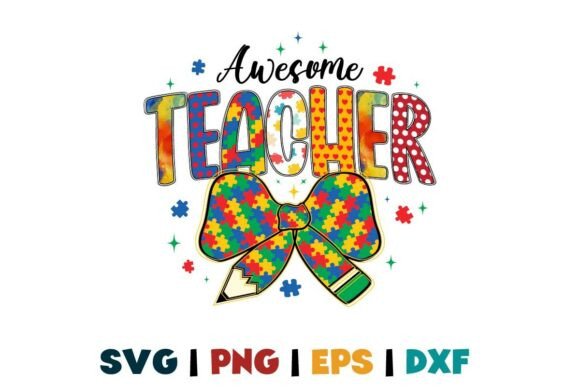
The moment I saw the design, the mood was clear — this is a purposeful blend of soft femininity and advocacy. The coquette bow shape carries that ruffled, delicate personality that works beautifully on custom apparel and boutique items, while the autism awareness theme (often woven in through puzzle pieces, a ribbon, or subtle symbolic details) adds a layer of meaning that goes far beyond a simple decorative motif. The word “Teacher” in the title also tells me this was created with educators in mind, which instantly opens up a world of personalized gift possibilities. The visual personality is approachable, not overly complicated, and the layout feels balanced enough that I could imagine it on a tote bag, a sweatshirt, or a nursery pillow without the design fighting for attention.
Because I received SVG, DXF, PNG, and EPS formats in a single zip, I knew I had the flexibility to resize, recolor, and clean up the artwork before digitizing. That’s a huge plus for anyone who works with embroidery software — you can isolate elements, adjust line thickness, and even remove tiny details that would turn into problematic tiny stitches later. For a design that’s originally meant for printing, the vector formats are exactly what an embroidery digitizer needs to create a clean stitch file.
Stitching the Coquette Bow: Real Project Scenarios
I decided to mentally test this design on a practical project I get asked about often: a custom embroidered canvas tote bag for a special education teacher during Autism Awareness Month. The client wanted something that felt supportive, not childish, and the Autism Awareness Teacher Coquette Bow fit that brief perfectly. The bow itself offers a lovely focal point — imagine it stitched in a soft pastel blue with a few puzzle piece accents in bright, high-contrast thread. The bow loops and tails would translate beautifully into a satin stitch with a delicate underlay, while the awareness symbols could be done as a fill stitch or even a crisp appliqué if you wanted to save stitch time and add texture.
This design also makes a lot of sense for:
- Custom sweatshirts — a cozy crewneck with the bow centered on the chest, using a soft metallic thread for the ribbon details.
- Embroidered patches — digitize it with a dense border and a merrow edge, then sell it as a standalone iron-on or sew-on patch.
- Aprons and kitchen towels — the bow adds a charming, handmade feel to a teacher appreciation gift set.
- Baby onesies and toddler tees — the coquette style is sweet enough for a “neurodiversity is beautiful” themed baby shower gift.
- Pillow covers and nursery decor — stitch it in a single color palette to match a calm, sensory-friendly room.
In each of these product ideas, the design carries a dual message: it’s fashionable and it stands for something. That’s exactly the kind of item that performs well on Etsy and at craft fairs, because buyers aren’t just purchasing a stitched bow — they’re buying a conversation starter, a statement of support, and a piece that feels personal.
Where This Design Needs Extra Care
As much as I love the concept, no design is without its sensitive spots, and the Autism Awareness Teacher Coquette Bow does have a few. The coquette style often includes fine lines, small dots, or delicate filigree — and if any of those exist in the artwork, they’ll need to be simplified before digitizing. Embroidery machines can’t reproduce detail as fine as a vector graphic can on paper, so you’ll need to review the design at actual stitch size and ask yourself: will this tiny puzzle piece shape read clearly, or will it become a blob of thread?
Here are the fabrics and product types where I’d be extra cautious:
- Stretchy fabrics like t-shirts and baby bodysuits: the bow’s finer details can distort if the fabric shifts. Use a heavy cutaway stabilizer and consider a topper if there’s any loop or fuzzy texture.
- Dark fabrics: if the design has light-colored elements, thread contrast can make or break the look. Test on a black scrap first to see if the awareness symbols pop.
- Small hoop sizes: if the bow contains tiny lettering or intricate puzzle pieces, scaling down too much will turn crisp lines into muddy stitches. Stay above 4×4 inches for the full design, or break it into an appliqué base with fewer details.
- Curved surfaces like caps: the bow’s symmetrical shape might warp if not positioned carefully on a cap frame. I’d stick to flat or gently curved items like tote bags, sweatshirt fronts, and pillow covers.
- Frequently washed items: satin stitch bows can lose their sheen after repeated laundry cycles. A polyester thread and a soft backing will help, but I’d still test wash durability before selling.
The Emotional Impact on Buyers
What makes the Autism Awareness Teacher Coquette Bow stand out from generic bow designs is the emotional weight it carries. When a customer sees it on a finished product, they’re not just noticing the embroidery quality — they’re recognizing a symbol of inclusion, respect, and teacher appreciation. That emotional connection directly increases product value and customer trust. A handmade tote bag with this design isn’t just a bag; it’s a gift that says “I see you, I support you, and I honored your work.” That kind of messaging is gold for a small shop or craft business.
From a branding perspective, the coquette aesthetic also gives the design a “boutique” feel. It’s not a loud, one-note awareness graphic; it’s a fashion-forward motif that blends into a person’s personal style. That means it appeals to a wider audience — teachers who want to show support without being overly bold, parents looking for a subtle way to celebrate neurodiversity, and even boutique owners who want to add inclusive, empathetic products to their line. When you stitch this out, you’re not just making an embroidered item; you’re building a product that people will photograph, share, and buy again for friends and colleagues.
Practical Notes for Embroidery Designers
Since the Autism Awareness Teacher Coquette Bow is a digital download of artwork files, not a pre-digitized embroidery file, your workflow will need a few extra steps. I always start by opening the vector version in my digitizing software and checking the linework. If the bow has multiple layers or overlapping shapes, I merge what I can to avoid unnecessary trims and color changes. The puzzle pieces — if present — are a great opportunity for a satin stitch border with a fill interior, but I test the size on a scrap piece of cotton first to make sure the edges aren’t jagged.
Here’s a quick checklist I run through before committing to any project:
- Test thread color contrast: hold the chosen threads against the actual fabric under natural light. A soft pink on a pale yellow tote might wash out, so I’ll often add a thin outline stitch to define the shape.
- Check stitch density: if I’m using a fill stitch for the bow itself, I keep the density moderate — too dense and the fabric puckers, too light and the backing shows through.
- Confirm hoop size: digitize the design at the exact dimensions you plan to stitch. I prefer a 5×7 hoop for this design to leave breathing room.
- Inspect small details: zoom in on any letters, dots, or tiny sensory symbols. If they’re less than 1mm wide, I either remove them or enlarge them slightly.
- Test in black and white: print a grayscale mockup of the design on paper and hold it at arm’s length. If the bow still reads clearly, the stitched version will too.
- Use proper stabilizer: for a tote bag or sweatshirt, I use a medium-weight cutaway. For a towel or apron, a tear-away with a water-soluble topper keeps the loops from poking through.
- Check licensing: this is a digital download, and the product description doesn’t spell out commercial embroidery rights. Always confirm with the seller whether you can sell finished items with this design, and whether you’re allowed to redistribute the digitized stitch file.
One thing I really appreciate about receiving the files in SVG, DXF, PNG, and EPS formats is that I can also use them for printable mockups, product previews, and even packaging inserts. That’s a bonus for sellers who want to build a cohesive brand around their embroidery products. A quick mockup of the bow on a tote bag can help you list a pre-order before you’ve even stitched the first piece.
Is This Design Right for Your Craft Business?
If you’re an embroidery designer who enjoys creating custom, meaningful pieces, the Autism Awareness Teacher Coquette Bow is a solid addition to your digital asset library. It’s not a plug-and-play stitch file — you’ll need to invest time in digitizing, testing, and refining — but the reward is a product that feels both personal and commercially viable. I can see it becoming a staple item for teacher appreciation week, autism awareness month, and even year-round gifts for educators and therapists.
The fact that it’s listed under T-Shirt Designs as a Graphics product doesn’t limit its potential; it just means you’re starting with clean, professional artwork that can be adapted across multiple creative mediums. For embroidery specifically, treat it with the same care you’d give any high-detail design, and you’ll end up with a finished product that looks intentional, stitches cleanly, and resonates deeply with the people who receive it. That’s the kind of work that builds a loyal customer base and keeps your small shop thriving.