A Practical Review of the School Girl Studying Embroidery Design
When you’re selecting an embroidery design for a real project, whether it’s for a client order, a gift, or your own shop inventory, you need to look beyond the digital preview. You need to visualize how it will stitch out, how it will feel on fabric, and what kind of story it tells on a finished product. Let’s walk through that process with School Girl Studying. Classroom Desk Wit. This isn’t just a graphic; it’s a potential embroidery file you’re considering investing your time, thread, and stabilizer into.
The First Impression: Quiet Focus and Clear Storytelling
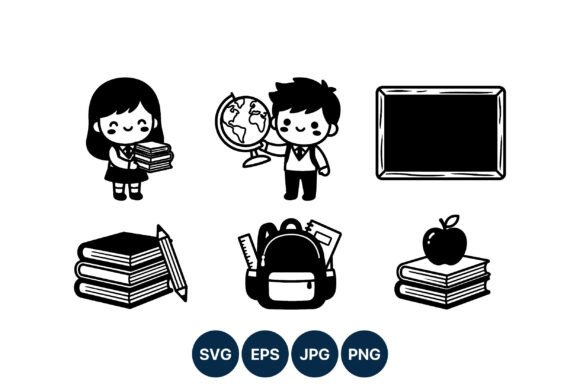
Opening the file, the first thing you notice is the mood. It’s a scene of quiet concentration—a single figure at a desk. This isn’t a loud, chaotic image. It has a calm, focused personality that translates well into a handmade product. The layout is straightforward: a central figure with clear, defined shapes. The detail level in the illustration is moderate; it suggests elements like the desk and books without being overly intricate. This is a key observation. For an embroidery design, too much fine detail can become a blur of stitches, while too little can look empty. This design feels like it strikes a balance, offering enough visual interest to be engaging but with shapes that should translate cleanly into satin stitches and fill areas.
Where This Design Naturally Belongs
This theme immediately suggests a range of projects. I pictured it on a personalized gift for a student, a teacher, or a lifelong learner. It would be charming on a child’s baby embroidery item, like a blanket or a keepsake pillow for a nursery. For a craft business, it could elevate a simple kitchen towel or apron into a themed product for a boutique. Think about a tote bag for a book lover or a sweatshirt for a cozy, scholarly vibe. The isolated figure on a white background, as noted in the description, means it’s ready to be placed onto virtually any custom apparel or home decor item without needing complex integration.
Performance in Real-Life Embroidery Situations
Let’s get practical. Imagine you’re preparing to stitch this onto a canvas tote bag for a local shop’s small shop product line. The design’s clear outlines should help with clean stitching. On a sturdy bag fabric, the fill stitches for the desk and figure will likely look solid and professional. On a sweatshirt embroidery project, however, you’d need to consider the fabric’s texture. A fleece-backed sweatshirt can swallow fine details, so you’d want to ensure the main shapes are bold enough to remain visible. For something like an embroidered patch, this design could work beautifully—the isolated scene creates a self-contained, recognizable badge.
For digital product sellers, this file format set (EPS, JPG, SVG, transparent PNG) is useful. The transparent PNG is excellent for creating printable mockups to showcase the design on product photos in your Etsy listings. The SVG could be valuable for those also working with cutting machines or other digital crafts, adding versatility to your design assets.
Scenarios That Require Extra Attention
Not every project is ideal. Here’s where you should pause and think. If you’re considering a very small hoop size, perhaps for a baby garment or a cap’s curved surface, you must inspect the small details. Are the book outlines on the desk too fine? They might merge into a single stitch block at a reduced size. Embroidering on dark fabric requires careful thread color planning for contrast—the “white background” in the description is digital, not stitched. You’ll need to choose thread colors that pop against a dark background. Stretchy fabric like t-shirts demands excellent stabilizer to prevent distortion of the classroom scene. Also, consider stitch density. If the design has large, solid fill areas, they can become stiff on lightweight fabrics like tea towels, affecting drape and comfort.
Impact on Your Work and Your Customer
Using a design like this affects more than just the stitch-out. It influences visual appeal and customer trust. A well-executed, clear design on a finished product speaks to professionalism. It tells your customer that you chose a design with good stitching clarity, which enhances the handmade presentation. For a craft business, consistency matters—this design has a specific, gentle aesthetic. If your brand is about thoughtful, quiet gifts, it fits. If your brand is bold and loud, it might not. Its giftability is high for educational milestones, teacher appreciations, or encouragement gifts. That recognition—a universal scene of studying—creates immediate buyer engagement for a niche audience.
Essential Designer Notes Before You Hoop the Fabric
Before you commit this design to a client’s commercial embroidery project or your own holiday embroidery batch, do your due diligence. Test the design on scrap fabric first. Use the same material you plan for the final product. This reveals how the stitches truly look. Check thread color contrast against your final fabric background. Review stitch density by looking at the stitched test piece; are areas too thick or too thin? Confirm hoop size compatibility—does it look good at the size you intend? Inspect small details like the girl’s features or desk corners after stitching.
It’s also wise to test it in black and white mockups to see how it reads without color, and compare light and dark fabric backgrounds. Always use proper stabilizer for the fabric type. Crucially, check whether the design works for both personal and commercial projects. The product description doesn’t specify license terms, so you must confirm licensing before selling finished items or digital products. This is a fundamental step for any digital embroidery file you use in your craft business.
Final Thoughts: A Design with Clear Potential
School Girl Studying. Classroom Desk Wit is an illustration that, from a designer’s practical viewpoint, holds clear potential for specific embroidery projects. Its mood is focused and calm, its shapes appear stitch-friendly, and its theme taps into a recognizable, heartfelt niche. It’s not a one-size-fits-all design; it belongs on products where a story of learning and quiet effort is valued. Your success with it will hinge on those practical steps: testing, adjusting for fabric, and ensuring your technical execution matches the design’s clean intention. When done right, it can become a valued part of your embroidery project repertoire, adding a thoughtful option for personalized gifts and small business merchandise.