A Designer's Hands-On Review of the Wildcats Embroidery Design
First Impression: A Bold, Sporty Graphic Built for Stitching
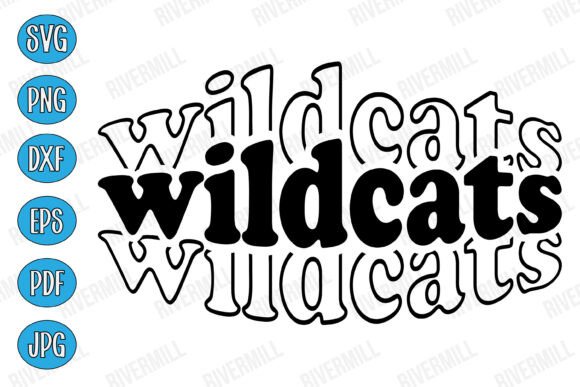
When you open a new embroidery design file, you're looking for more than just a picture; you're looking for a viable blueprint for stitching. My initial take on this Wildcats graphic is that it's a confident, straightforward piece of sports iconography. The design immediately conveys a mood of team pride and spirited energy. The layout is balanced and bold, leaning into a theme that feels celebratory and unified—perfect for the product description's stated world of school spirit. The detail level is moderate; it's not overly intricate, which is a huge advantage for machine embroidery. This isn't a fussy, delicate illustration. It's a graphic with a clear visual personality, built from strong shapes that will translate cleanly into satin and fill stitches. You can already visualize it on a sweatshirt chest or a tote bag side, holding its own without getting lost.
The Perfect Project Fit: From Tote Bags to Boutique Merchandise
In a real-life scenario, I was preparing a batch of custom embroidered tote bags for a local booster club. They needed something that was instantly recognizable, durable-looking, and would pop against the bag's fabric. This Wildcats design was a frontrunner. Its strong, defined forms mean it won't get muddled on a textured canvas tote, and the school-spirit theme is exactly what the client wanted. But its utility goes far beyond that single use. I instinctively started mentally placing it on other items.
It’s a natural fit for apparel decorators tackling team sweatshirts or caps. For small business owners or Etsy sellers, it could become a core part of a "school pride" product line—think embroidered patches for backpacks, cozy blankets, or even nursery decor for a family of alumni. The graphic's personality lends itself to personalized gifts, like an embroidered pillow cover for a graduate. Because the design isn't overly juvenile or overly aggressive, it straddles a line that works for youth items and adult merchandise alike. For a creative entrepreneur, having the design in multiple formats—especially the vector files like SVG and EPS—means you can create cohesive branding across embroidered products, printable mockups for your online listings, and even digital previews for customers.
Navigating Stitching: Where This Design Excels and Where to Be Cautious
Performance on the machine is the true test. For most standard projects, this Wildcats design should stitch out cleanly. The provided file formats give you flexibility to scale and prepare it for your hoop size. On a sturdy cotton tee, a canvas apron, or a thick sweatshirt, I anticipate good stitch clarity and a solid, professional look that boosts the product's perceived value.
However, a practical designer always thinks through the tricky applications. Here are points to consider:
- Small hoop sizes: If you're trying to miniaturize it for a baby clothes item or a small patch, check those internal details closely. Some elements might become too dense or merge together.
- Textured or stretchy fabric: A very thin jersey or a highly textured knit can distort simpler shapes. Always use the correct stabilizer and test on a scrap piece first.
- Dark fabric: The design's visual impact relies on contrast. On dark backgrounds, you'll need to plan your thread colors strategically—perhaps using a lighter fill stitch for the main elements to ensure it remains readable and engaging.
- Curved surfaces like caps: The balanced layout should adapt well, but be mindful of any lettering or very dense stitch areas that might pucker on the curved seam of a cap.
This kind of forethought directly affects customer trust and your brand's consistency. A crisp, well-executed embroidery on a tote bag feels like a premium handmade product; a puckered, unclear one feels amateurish.
Embroidering for Commercial Use: A Note on Licensing and Testing
For craft business owners and digital product sellers, the "commercial" question is vital. The product description mentions its suitability for various items, but does not specify license terms. It is crucial that you confirm the licensing before selling any finished items or using the design assets in commercial embroidery projects for clients. Assume nothing.
Once licensing is clear, your professional process begins. Always test the embroidery file on scrap fabric that matches your final product's weight and texture. Review the stitch density in your software—is it appropriate for your chosen fabric? Check thread color contrast in both digital black-and-white mockups and by stitching a sample on light and dark backgrounds. These steps are non-negotiable for ensuring the finished product meets the expectations of a buyer looking for a high-quality embroidered gift or shop merchandise.
The Final Stitch: Elevating Your Project with Confidence
In my hands-on judgment, the Wildcats design is a strong, practical graphic asset for makers focused on the school spirit and sports pride niche. Its mood is upbeat and its construction is stitch-friendly. When executed well on appropriate products—from custom apparel to boutique kitchen towels for a team-themed home—it creates a clean, recognizable piece that enhances visual appeal and giftability. It feels professional.
For the embroidery designer, small shop owner, or hobbyist looking to create a meaningful personalized gift, this design provides a solid foundation. Your skill in choosing the right fabric, hoop, stabilizer, and thread will bring it to life. Remember, the design file is just the starting point. Your careful application turns it into a product that tells a story, builds a brand, and delights a customer. So hoop up some scrap fabric, run a test, and see how this Wildcats graphic looks under your needle. That's where the real review always happens.