Latch Hook Yarn School Coquette Png
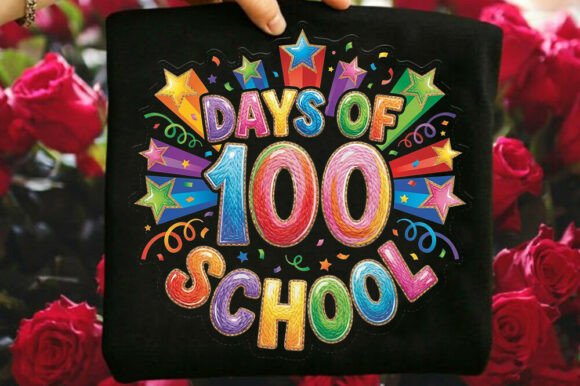
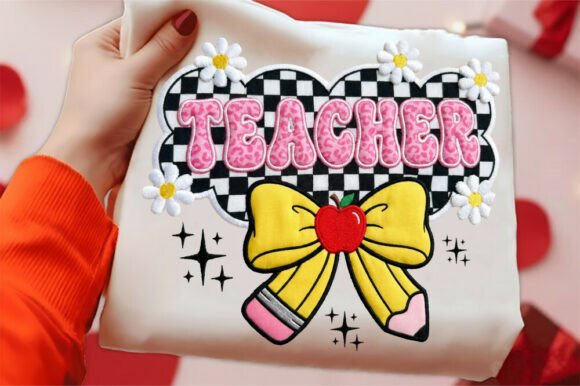
I pulled up the high-resolution file on my screen while a client message sat in my inbox. She wanted a custom 100th day of school tote bag for her daughter’s kindergarten teacher, something soft and celebratory but not childish. My first thought was to test a design that felt like a keepsake, not just a classroom novelty. The Latch Hook Yarn School Coquette Png caught my attention immediately. It had that delicate coquette aesthetic—a touch of nostalgia, a hint of handcrafted texture, and just enough schoolhouse charm to make the project feel intentional. As a designer, I’m always looking for a starting point that translates well into thread and fabric, and this one left me with a lot to consider.
First Impression: A Gentle, Craft-Inspired Mood
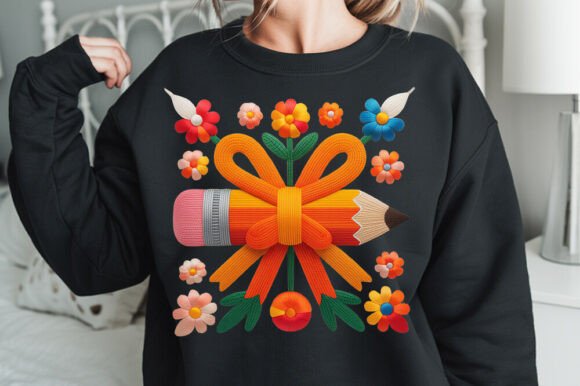
Opening the file, I wasn’t staring at a generic clip art piece. The composition felt like a love letter to latch hook and yarn crafts, woven into a school theme. The shape choices, the soft curves, and the subtle way the elements played together suggested a design that would look right at home on a cozy sweatshirt, a linen pillow cover, or a boutique tote. The 300 DPI resolution at 4500×5400 pixels gave me plenty of room to scale without losing detail—something I value deeply when I’m planning a mockup or preparing a clean artwork for digitizing. The mood was warm, approachable, and feminine without being overly frilly. I could already picture it stitched in a muted pastel thread palette, maybe with a soft cream background fabric.
What stood out most was the personality. The design doesn’t shout. It whispers. That’s a quality I look for when I’m building a handmade product line that relies on emotional connection. A customer buying a 100 days of school gift isn’t chasing a bold graphic; they want something tender, something that feels like a small celebration. This design checks that box.
How This Graphic Fits Into Real Embroidery Work
Let’s be clear: this is a PNG file, not an embroidery file. There’s no stitch data here, no native .pes or .dst format. That’s not a flaw—it’s a category difference. For an embroidery project, the PNG becomes either a visual reference for manual digitizing or a high-quality element for a printable mockup. I treat it as a design asset. When I’m preparing a listing for an embroidered tote bag, I’ll often use a graphic like this to create a realistic preview for the customer. The sharp resolution and clean layout make that process painless.
If you’re planning to turn this into a machine embroidery design, you’ll need to convert it. The good news is that the clean lines and well-defined shapes are a digitizer’s friend. I’d map out the main elements with a combination of satin stitch borders and fill stitch areas, keeping the stitch density moderate so the fabric doesn’t pucker. The coquette bow details, the yarn-like texture hints, and the school-themed typography (if present) would need careful attention to avoid tiny, unreadable elements. I always test the digitized version on a scrap of cotton first, checking thread color contrast against both light and dark backgrounds. A design like this thrives on a soft natural fabric—think unbleached cotton, oatmeal linen, or a blush-toned sweatshirt.
Where This Design Shines in a Craft Business
I’ve used similar graphics for a range of products, and the Latch Hook Yarn School Coquette Png would fit smoothly into several categories. Here’s where I would personally place it:
- Custom apparel: A lightweight sweatshirt or a relaxed-fit tee, especially for a teacher appreciation gift. The soft theme works beautifully on pastel or neutral garments.
- Tote bags: A canvas tote with this design stitched in a delicate thread color becomes an elegant, reusable gift bag. I’ve had customers use these for book bags, library totes, and even as a presentation wrap for a small handmade gift.
- Pillow covers and nursery decor: The coquette school theme isn’t just for classrooms. A nursery pillow with a subtle “100 days” motif can mark a baby’s milestone. The gentle style fits a modern, whimsical nursery.
- Tea towels and kitchen linens: A simple tea towel with a small embroidered version of this design would be a charming addition to a teacher’s lounge gift basket. I’d use a running stitch for a light, airy look.
- Patches: If scaled down carefully, the design could be digitized as an embroidered patch. I’d test it on felt first, making sure the smallest details don’t close up.
- Boutique branding and mockups: For digital product sellers, the PNG is a strong visual asset. It can be placed on a product mockup to show a finished look, which helps build customer trust before the first stitch is made.
Points That Need a Gentle Hand
Not every product suits this design. I’ve learned through trial and error that some surfaces and sizes can work against even the most beautiful artwork. Here’s what I’d approach with caution:
- Small hoop sizes: If the design includes fine details or tiny lettering, a 4×4 hoop might force you to lose readability. I’d test the design at the intended size and check whether the thread breaks or the details blur.
- Stretchy or textured fabrics: A plush terry cloth or a ribbed knit can distort the stitch placement. I always use a firm stabilizer and baste the fabric well when working with these.
- Dark fabrics: The soft, light tones of a coquette design can get lost on black or navy. I’d either adjust the thread colors to a brighter palette or use a white underlay to make the design pop.
- Curved surfaces like caps: The composition might not sit well on a structured cap unless it’s simplified and repositioned. I’d reserve this for flat or slightly curved items.
- Frequent washing: If the finished product is a kitchen towel or a baby item that will see heavy use, I’d reinforce the stitch density and choose a durable thread that won’t fray.
Visual Appeal and Customer Connection
When I think about how a finished piece will look, I’m not just imagining the threads. I’m thinking about the person who receives it. A design like Latch Hook Yarn School Coquette Png has a quiet confidence that makes a gift feel personal. The coquette trend is still strong in handmade markets, and tying it to a meaningful school milestone creates a product that feels both timely and timeless. I’ve seen similar designs become best-sellers in Etsy shops simply because they evoke a soft, sentimental feeling that photographs well.
The stitching clarity matters a lot. If the design is digitized with care, the satin stitches will give a gentle sheen, and the fill areas will look plush. The contrast between the thread and the fabric will determine whether the design reads as elegant or muddled. I always test the design in a black-and-white mockup first to see if the values hold up. If they don’t, I adjust the thread colors before I ever hoop the fabric.
For a business owner, this design can elevate a product line. It adds a boutique feel that separates a simple “100 days” shirt from a mass-produced one. That touch of individuality builds customer trust and encourages repeat buyers. It also gives the maker a chance to tell a small story: a yarn-inspired design for a teacher who loves crafting, a coquette bow for a little girl’s milestone. Stories sell.
Practical Designer Notes
Before you commit this design to a physical product, I recommend a few steps that I follow for every project:
- Test on scrap fabric first. Even if you’re confident, a quick stitch-out on a similar fabric will reveal density issues, puckering, or thread breaks.
- Check thread color contrast. Hold the thread spool against the fabric in natural light. What looks good on screen may not read well in person.
- Review stitch density. Overly dense areas can make the fabric stiff and uncomfortable, especially on a sweatshirt.
- Confirm hoop size. Measure the design after digitizing and make sure it fits comfortably in your hoop with a safe margin.
- Inspect small details. Zoom in. If any element is less than 1mm in the final stitch size, consider simplifying it.
- Test on both light and dark backgrounds. The design’s mood changes dramatically with the base fabric color.
- Use proper stabilizer. For a tote, I’d use a cutaway stabilizer. For a tea towel, a tear-away might work, but I’d test first.
- Clarify licensing. The product description encourages you to favorite the store and mentions the file is neatly arranged, but I don’t see explicit commercial use terms. Before you sell finished items, reach out to the seller and confirm whether the PNG is licensed for physical product use or only for personal projects. This is a small but critical step to protect your business.
- Digitize with care. Since this is a graphics file, not an embroidery file, you’ll need to either manually digitize it or use auto-digitizing software with caution. I always prefer a manual process to preserve the design’s personality.
Where the Design Fits in a Maker’s Workflow
I see this graphic fitting into a workflow for multiple types of creators. The digital product seller can use it to build a printable mockup listing, showcasing an embroidered look without stitching a single thread. The handmade shop owner can digitize it for a physical product and use the PNG in the listing photos to show a clean, professional preview. The hobbyist can use it as a reference for a one-of-a-kind gift, maybe even combining it with a latch hook pillow project to echo the yarn theme. The versatility is there, as long as you understand the file’s nature.
The Latch Hook Yarn School Coquette Png is not a finished embroidery design. It’s a starting point—a beautiful, high-resolution illustration that can inspire a stitched piece or support a product presentation. I’ve reviewed enough design assets to know that the best ones are those that give you room to interpret. This one does that. It holds a clear mood, a usable layout, and a resolution that makes scaling easy. For a school-themed handmade gift, a boutique product, or a simple personalized tote, it’s a resource I’d return to. Just remember to test, check your licensing, and treat the digitizing step as its own creative process. The threads will thank you.