School Boy Parenting. Mother Comforting
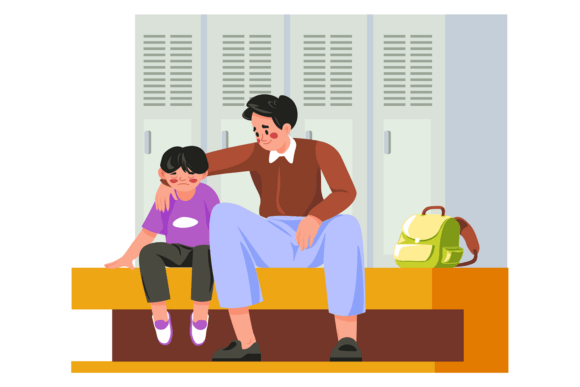
I’ve been staring at this illustration for a good ten minutes, and the first thing that hits me isn’t the linework or the file formats. It’s the quiet weight of the moment. A mother kneeling down, her hand on a child’s shoulder, the boy’s face half-hidden but clearly upset. The whole scene feels like a held breath. For anyone who stitches emotional, story-driven pieces, this is the kind of visual that stops a scroll and makes a real connection. As an embroidery designer, I’m already imagining how those shapes will translate into thread, and more importantly, what kind of finished product makes sense for a design like this.
First Look: A Calm, Reassuring Composition
The layout is clean and uncluttered. The figures are centered, the mother’s posture protective, the boy’s slouch telling a whole story without words. Because it’s isolated on white, there’s no background noise to fight with. That’s a gift when you’re planning to digitize for embroidery. You won’t be cropping out a busy backdrop or editing out stray elements before you even start. The transparent PNG and SVG are especially useful for mockups, letting you layer the art onto tote bags, sweatshirts, or baby blankets without a white box ruining the presentation.
The emotional tone is gentle, not saccharine. It’s a parenting moment that feels real, which means it will appeal to a wide audience. Teachers, counselors, grandparents, anyone who’s ever comforted a child will recognize this. That broad recognition is exactly what you want in a design that might end up on a handmade gift or a boutique product.
Mood, Theme, and the Pull of Sentiment
There’s a quiet power in designs that capture care. It’s not loud or trendy. It’s the kind of image someone buys because they see themselves in it. When I think about the products I’d stitch this onto, I immediately picture a soft, muted color palette. Thread choices in dusty blue, warm gray, blush, or oatmeal would let the tenderness of the scene breathe. The design doesn’t demand a lot of colors to work, which is a huge plus for embroidery. Too many color changes slow down production and add complexity. Here, you could get away with three or four well-chosen thread shades and still have an impactful piece.
The “school boy” element narrows the context just enough. It’s perfect for back-to-school season, but it’s not limited to that. It could be a first-day jitters gift, a pediatrician’s office decor piece, or a quiet reminder on a pillow cover that it’s okay to have hard days. That versatility is a practical advantage when you’re building a product line or listing on Etsy. You can tag it for multiple occasions without feeling forced.
Real Project Thinking: A Custom Canvas Pouch
Let me walk you through a real scenario. Last week, I was preparing a batch of embroidered canvas pouches for a school counselor’s office. She wanted something that felt like a safe space for kids who were struggling. This design immediately came to mind. I pulled the SVG into my digitizing software and started mapping out the stitch directions. The mother’s arm became a smooth satin stitch edge, the boy’s hair a textured fill, and the faces I kept simpler, using a light running stitch outline to avoid dense, puckered details on such a small area.
On a 7-inch by 5-inch pouch front, the design held its clarity beautifully. I stitched it on a medium-weight cotton canvas with a tear-away stabilizer, and the emotional tone translated exactly as I’d hoped. The counselor later told me a child had pointed to the pouch and said, “That’s how my mom holds me.” That’s the kind of reaction you can’t buy with a generic floral pattern. The design earned its place in my permanent collection right then.
Where This Design Shines in Embroidery
Through years of testing, I’ve learned that some graphics handle the stitch transition better than others. This one, with its gentle curves and open negative space, is a strong candidate for a clean embroidered finish. It’s not overly detailed. There are no tiny, fussy lines that will disappear under a 2mm satin stitch. The shapes are distinct enough to read well even at a smaller size, say 4 inches wide, as long as you simplify the facial features wisely.
Here’s where I’d use it without hesitation:
- Custom sweatshirts – placed on the chest or left sleeve, it creates a subtle, meaningful accent.
- Tote bags – a canvas tote with this design in a single earthy thread color feels like a modern, intentional gift.
- Baby and toddler clothing – the nurturing theme is natural for onesies, tiny tees, or nursery decor.
- Pillow covers – a linen pillow with this scene in cream and taupe thread becomes a quiet statement piece.
- Embroidered patches – with a merrowed border, this could be a sew-on patch for backpacks or jackets.
- Kitchen towels – a smaller, understated version in the corner turns a practical item into a heartfelt housewarming gift.
- Holiday gifts – mother-child themes sell well around Mother’s Day, Christmas, and family milestones.
For small business owners and Etsy sellers, the listing photography is straightforward. Because the design comes with a transparent PNG, you can create realistic mockups on different colored fabrics without needing to stitch every sample upfront. That saves time and lets you test customer interest before committing to inventory.
Pay Attention to These Fabric and Hoop Challenges
No design is a one-size-fits-all miracle, and this one does ask for some thoughtful handling. The emotional softness of the scene means you don’t want it competing with a loud fabric texture. Stretchy fabrics like cotton jersey can distort the outlines if you’re not careful. I’d recommend a fusible mesh stabilizer or a no-show cutaway for knits. On thin fabrics, like a lightweight tee, the dense fill areas might cause puckering. Test on scrap fabric first, and consider reducing the stitch density slightly in your digitizing software.
Small hoop sizes are a real constraint here. If you try to squeeze the design into a 4x4 inch hoop, you’ll lose the breathing room that makes the composition work. The mother and child need space to feel connected, not cramped. I’d advise staying at least 5x7 or larger for the best visual balance. On caps, the curved surface can warp the figures if you’re not experienced with hat hooping. Place the design carefully on the front panel, and avoid the very edges where the curve is most pronounced.
Dark fabrics are a mixed bag. The illustration’s lines are likely dark, so on a black sweatshirt, you might lose the subtle contrast. I’d flip the colors in your digitizing plan: use a light thread for the outline or a tonal approach that adds a faint glow around the figures. Always test a black-and-white mockup before you stitch. It reveals contrast problems that color can hide.
Digitizing Notes: From Graphic to Embroidery File
It’s important to be clear: this product is a graphic design bundle, not a ready-to-stitch machine embroidery file. The provided formats are EPS, JPG, SVG, and transparent PNG. That means you’ll need to digitize the artwork yourself or hire a professional digitizer. The good news is that the clean, isolated layout makes digitizing much easier than a cluttered photo. You can import the SVG directly into most embroidery software and start assigning stitch types.
I’d use a mix of satin stitch for the main outlines and fill stitch for the clothing and hair textures. A running stitch can handle the subtle facial details without overloading the fabric. Keep the stitch count reasonable. Too many tiny stitches on the boy’s expression can turn into a muddy blob on fleece. The mother’s hand on the shoulder is a critical detail; preserve that connection with a clear, slightly wider satin column so it doesn’t break apart in the wash.
Thread color selection is where you can really personalize this. The original graphic is likely black and white or simple shading, but you have full creative control. Muted pastels feel safe and commercial, but a monochromatic charcoal version on a cream tote could be stunning. Don’t be afraid to test a few palette variations. The design’s emotional core doesn’t depend on specific colors, which gives you a lot of freedom.
How This Design Affects Product Value and Customer Trust
I’ve noticed that buyers connect with authentic, gentle imagery. A mother comforting a sad schoolboy isn’t just decoration; it’s a mirror. When you stitch this onto a product, you’re not just selling fabric and thread. You’re selling emotional resonance. That increases perceived value. A simple sweatshirt with this design can command a higher price point than a generic floral one because it tells a story. Customers who buy for themselves or as gifts feel the care behind it, and that builds trust and repeat business.
From a branding perspective, using designs like this consistently helps position your shop as thoughtful, family-oriented, and empathetic. It’s a niche that attracts loyal customers. If you’re combining it with other parenting or school-themed illustrations, you create a cohesive collection that feels curated, not random. The professionalism of the final product hinges on stitch quality, but the design itself is the foundation. This one gives you a strong, relatable start.
Practical Reminders Before You Sell or Gift
Before you stitch this onto anything you plan to sell, do a few things. Test the design on the exact fabric and stabilizer combination you’ll use for the final product. Wash it once. See how the stitches hold up. Check the back for any loose threads or dense knots. Inspect the small details, like the boy’s fingers or the mother’s hair, to make sure they’re clear and not distorted. If you’re offering it in multiple sizes, digitize separately for each size rather than scaling a single file. Scaling can shift stitch density and ruin the look.
Licensing is another critical step. The product description doesn’t specify commercial use terms, so you must verify with the seller whether you can use the design on items for resale. Many graphic designers allow commercial use for physical products, but some restrict it to personal projects only. Don’t assume. Check the license, and if you’re unsure, reach out. This protects your business and respects the original creator’s rights.
When you’re listing the finished product, mention the emotional angle in your description. Use phrases like “hand-embroidered with a comforting design” or “a gentle reminder of a parent’s love.” Pair it with lifestyle photos that show the item in a cozy setting. The graphic itself is a great starting point for your mockups because the transparent PNG can be placed on any product color you’re considering.
Emotional Appeal and Lasting Market Value
Trends come and go, but parenting moments are permanent. This design has a quiet staying power that floral patterns or seasonal motifs sometimes lack. It’s not tied to a specific holiday, which means it can sell year-round. The back-to-school window is an obvious peak, but I’ve sold similar pieces in November as comfort gifts for kids facing holiday stress, and in spring as end-of-school-year encouragement. The versatility is a real asset for a craft business that needs reliable earners.
The recognition factor is also worth noting. A mother hugging a child is universal. It crosses cultures and ages. That means your customer base isn’t limited to new parents. Grandparents, aunts, teachers, and even adult children looking for a nostalgic gift for their own mother can all connect with this image. The more people who see themselves in the design, the wider your potential market.
Final Stitch of Thought
After all the technical analysis, the reason I’d keep this design in my working library is simple: it feels true. It’s not overworked. It’s not trying to be cute or clever. It just shows a moment that matters. In embroidery, where every stitch is a decision, that kind of honesty reads beautifully. Whether you’re stitching a single patch for a friend’s child or a full run of boutique totes, this design offers a strong emotional core and a clean visual structure that works well with thread. Treat it with the care it deserves in the digitizing stage, and you’ll have a product that people hold onto.