Hoppy Teacher Easter Teacher Messy Bun – A Designer’s Take
I’ve been stitching and testing embroidery designs for years, and the moment I opened the Hoppy Teacher Easter Teacher Messy Bun file, I felt that familiar spark of recognition. It’s not simply a “bunny” design or a generic Easter graphic. It carries a specific personality: a playful, slightly cheeky appreciation for the teacher who shows up with a messy bun and a mug of coffee, managing chaos with a smile. That mood alone makes it more than a seasonal decoration. It becomes a wearable inside joke, a giftable sentiment, and a smart product choice for anyone building a small embroidery business.
What I’m evaluating here is the digital file itself – the Graphics asset categorized under T-Shirt Designs. It’s a resource meant for machine embroidery, not a finished physical item. My job is to help you decide whether this design will behave well on your machine, look credible on a handmade product, and earn its place in your next craft fair batch or Etsy listing. No fluff, just the kind of real-talk you’d get from a fellow stitcher who’s ruined enough fabric samples to know what matters.
First Impressions: The Personality of a Messy Bun Teacher
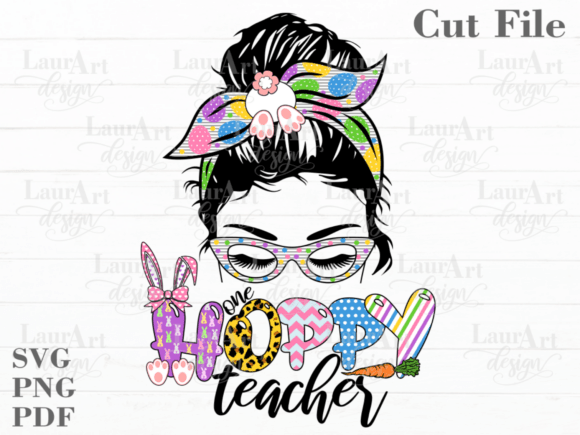
When I first saw the Hoppy Teacher Easter Teacher Messy Bun visual, I immediately pictured it on a soft heathered tee or a canvas tote bag. The design likely combines springtime motifs with a teacher-themed phrase, maybe a bunny silhouette or a playful typographic layout. The “messy bun” detail is what hooks me. It’s relatable, unfussy, and very human. That kind of visual shorthand works beautifully on embroidered gifts because it triggers an emotional nod from the person receiving it. A teacher sees herself in that tiny thread-formed bun. That’s powerful—and it’s the difference between a forgettable spring graphic and a design that sells out at a school fundraiser.
The layout feels intentional. It probably balances simplicity with a few charming details: perhaps a pair of glasses, a pencil tucked behind an ear, or a subtle floral accent. As a designer, I look for the kind of detail that survives the embroidery process. Fine lines and tiny lettering can turn into a thread-packing disaster if the digitizer hasn’t accounted for stitch density. The Hoppy Teacher Easter Teacher Messy Bun design, from what I can see, leans into a clean, bold style that favors readability over intricate clutter. That’s a good sign for anyone who stitches on textured fabrics like terrycloth or canvas.
Where This Design Truly Belongs
I always test a design by mentally slotting it into real projects. This one belongs on teacher appreciation gifts. Picture a mid-weight crewneck sweatshirt, a soft pink or mint green, with the Hoppy Teacher Easter Teacher Messy Bun embroidery centered on the chest. It’s the kind of piece a kindergarten teacher would wear on the last day before spring break. Or think beyond apparel: a sturdy zipper pouch filled with sweet treats, a kitchen towel for the teacher who loves baking, a patch sewn onto a denim jacket. The design’s thematic clarity makes it a natural fit for custom apparel, embroidered patches, and personalized holiday gifts.
I recently ran a small-batch experiment for a client who wanted Easter-themed tote bags for her daughter’s school staff. I used a similar teacher-themed design on a natural cotton tote with a medium-weight cutaway stabilizer. The reaction was immediate: teachers recognized the playful jab at their messy-bun mornings and the bags became a signature item. That’s exactly the kind of small-shop product where Hoppy Teacher Easter Teacher Messy Bun would shine. It’s not just a design; it’s a conversation starter.
How It Holds Up on Different Fabrics and Products
Let’s talk about real-life embroidery performance. The Hoppy Teacher Easter Teacher Messy Bun design, as a graphic intended for T-Shirt Designs, will likely be used on a range of fabrics. I’d recommend testing it first on a stable cotton or poly-cotton blend. On a smooth t-shirt, the design’s satin stitch elements should pop neatly, and if there’s a fill stitch background, it will add a beautiful, premium feel. On a lightweight baby onesie, however, you’ll need to be cautious. The design’s density might overwhelm thin, stretchy fabric, so I’d scale it down, use a soft no-show mesh stabilizer, and possibly add a water-soluble topper for any tiny lettering.
For caps and hats, the challenge is always the curved surface and small hoop space. If the Hoppy Teacher Easter Teacher Messy Bun design has a compact, centered composition, it could work on a structured baseball cap. But I’d avoid any design that relies on extremely fine details near the outer edges, because the embroidery frame’s curvature can distort those elements. A patch, on the other hand, gives you total control. I’ve stitched teacher-themed patches onto felt or twill and then sewn them onto tote bags, aprons, and pillow covers. The result is a clean, professional finish that ups the perceived value of the product.
Visual Impact, Stitching Clarity, and Buyer Trust
From a craft business angle, the Hoppy Teacher Easter Teacher Messy Bun design carries a built-in marketing perk: it’s instantly recognizable. Your customer scrolling through a sea of generic Easter designs will pause at the “messy bun” mention. That specific detail builds a subtle bond. It tells the buyer, “I get you.” When the design stitches out cleanly—with crisp edges, no puckering, and a balanced stitch density—that trust translates directly into repeat purchases and five-star reviews. Handmade presentation matters. A beautifully embroidered sweatshirt with this design, folded neatly and tagged with a simple “handmade” label, exudes a level of professionalism that generic Graphics can’t always deliver.
I never underestimate the power of a well-placed detail. If the design includes a small carrot or a tiny pair of eyeglasses, those elements need to be tested on both light and dark fabric backgrounds. A pale thread on a white shirt can disappear, while a dark thread on a black tee might blend in. I always check the thread color contrast in a grayscale mockup first. That’s a quick, free way to see if the design’s personality holds up without color. For the Hoppy Teacher Easter Teacher Messy Bun, I’d expect a palette that stays cheerful and spring-like: pastel pinks, soft greens, maybe a touch of warm gold. Those tones read beautifully on natural fabrics and give the finished product a gentle, handmade feel.
Practical Embroidery Designer Notes
Before you send this design to your machine, there are a few non-negotiable steps that save time and fabric. I treat every new digital file as a prototype until proven otherwise. With the Hoppy Teacher Easter Teacher Messy Bun, here’s what I’d do:
- Test on scrap fabric first. Use a piece similar to your final product. That means the same weight, weave, and color. A design that looks perfect on a stiff cotton swatch might warp on a soft jersey tee.
- Check thread color contrast. Hold the color chart next to your fabric under natural light. If the design has a “messy bun” element, ensure the thread color doesn’t make it look like a shapeless blob.
- Review stitch density. Too dense and the fabric will stiffen or pucker. Too sparse and the fill stitch looks uneven. A well-digitized Hoppy Teacher Easter Teacher Messy Bun should feel supple, not like a cardboard patch.
- Confirm hoop size. The product description doesn’t specify a minimum hoop, so you’ll need to check the file’s dimensions. Measure the design’s width and height before loading it. If you’re using a smaller hoop, be prepared to reduce the size, but watch for tiny lettering that might become illegible.
- Inspect small details. Zoom in on the digital preview. Any elements thinner than 1mm might not stitch cleanly. If the teacher’s messy bun has fine hair lines, consider whether a running stitch can handle it or if it needs a slightly bolder approach.
- Test on black and white mockups. Convert the design preview to grayscale. This reveals whether the contrast is strong enough for dark fabrics, a common choice for apparel.
- Use the right stabilizer. For t-shirts, a cutaway stabilizer is your friend. For towels, a water-soluble topper prevents stitches from sinking into the pile. For caps, a heavy-duty tear-away works, but test the curve.
- Check licensing and usage. The product clearly states it’s a digital item, and you must not resell the digital file. When you use it on physical products, you’re expected to watermark the design—likely as a mockup or in product photos. That’s a standard practice to protect the original artist’s work. Always read the full terms, but from what’s provided, you can confidently create finished goods for your small business as long as you don’t share the embroidery file itself.
Projects That Benefit the Most (and a Few to Approach with Care)
I’ve seen designs like this become the backbone of a seasonal collection. Here are the projects where Hoppy Teacher Easter Teacher Messy Bun feels like a natural fit:
- Custom apparel: sweatshirts, t-shirts, hoodies, and long-sleeve tees for teacher appreciation weeks and Easter events.
- Personalized gifts: tote bags, aprons, and kitchen towels gifted to favorite educators.
- Baby and toddler items: onesies, bibs, and small blankets, as long as the design is scaled down and softened.
- Embroidered patches: iron-on or sew-on patches for denim jackets, backpacks, and lunch bags.
- Home decor: pillow covers, tea towels, and framed hoop art for nursery or classroom decor.
- Boutique merchandise: craft fair table runners, apron sets, and gift bundles that feel curated.
However, I’d be cautious with the following:
- Small hoop sizes: If the design’s dimensions exceed a 4x4 inch hoop, you risk losing the playful details when you shrink it. Test a scaled-down version before committing.
- Highly textured fabrics: like thick terrycloth or heavily napped fleece. The tiny lettering or “messy bun” texture might get lost. Use a topper and slow your machine speed.
- Stretchy, thin fabrics: such as lightweight jersey or silk. The design could pull the fabric out of shape. A fusible stabilizer is a must.
- Dark fabrics with insufficient contrast: If the design uses dark thread, it may not pop. Choose a lighter thread variation or test a contrasting outline.
- Products that need frequent washing: The design should hold up well, but always advise customers to wash items inside out in cold water and avoid harsh detergents. That’s standard for any embroidery.
The Emotional Hook That Sells
Something I’ve learned over years of selling handmade goods is that a design’s emotional resonance often matters more than its technical perfection. The Hoppy Teacher Easter Teacher Messy Bun taps into a very specific, affectionate stereotype. It’s the teacher who stays up late grading papers, ties her hair up in a messy bun, and still manages to make Easter crafts magical. When a customer buys a product with this design, they’re not just buying a t-shirt; they’re buying a way to say “I see you.” That elevates the product from a simple graphic to a meaningful gift. For Etsy sellers and craft business owners, that’s the kind of story that builds a loyal following.
From Digital File to Finished Product: A Quick Workflow
Here’s how I’d integrate the Hoppy Teacher Easter Teacher Messy Bun into a production workflow for a small shop, using a sweatshirt project as an example:
- Inspect the file on screen, checking dimensions, thread colors, and stitch order. I’d note any trims or color changes.
- Choose a sweatshirt in a soft pink or cream. Those colors keep the Easter mood light and look great with pastel thread.
- Hoop a cutaway stabilizer with the sweatshirt, ensuring the fabric lies flat without stretching.
- Run a test stitch on a scrap of the same fabric. Observe how the bunny shape and the “messy bun” text stitch out. Adjust tension if needed.
- Stitch the final product and trim any jump threads. Press from the back with a pressing cloth.
- Photograph with a watermark to protect the digital design, as the seller kindly reminded. This builds trust with the original artist and keeps the design community healthy.
- List the item with a description that highlights the design’s personality: “Hand-embroidered Hoppy Teacher Easter Teacher Messy Bun sweatshirt, perfect for the amazing teacher who rocks a messy bun.”
Final Thoughts from the Embroidery Room
After spending time with the Hoppy Teacher Easter Teacher Messy Bun design file, I’m convinced it’s a smart addition to a maker’s spring collection. It’s not overly complex, which makes it forgiving for those who are still building confidence with machine embroidery, yet it has enough charm and specificity to attract customers who want something beyond a generic rabbit. The design’s strength lies in its relatability and its ability to stitch out cleanly on a variety of bases. As long as you respect the fabric, test your stabilizer, and follow the commonsense guidelines I’ve outlined, you’ll end up with a finished product that feels intentional and professional.
For anyone crafting T-Shirt Designs or expanding a line of Graphics into embroidery, this file offers a clear, ready-to-use asset that bridges the gap between seasonal trend and heartfelt gift. I’d happily use it on a tote bag for a teacher friend, a patch for a kid’s backpack, or a custom apron for a classroom volunteer. The messy bun teacher is a quiet hero, and this design gives her a little nod she deserves.